
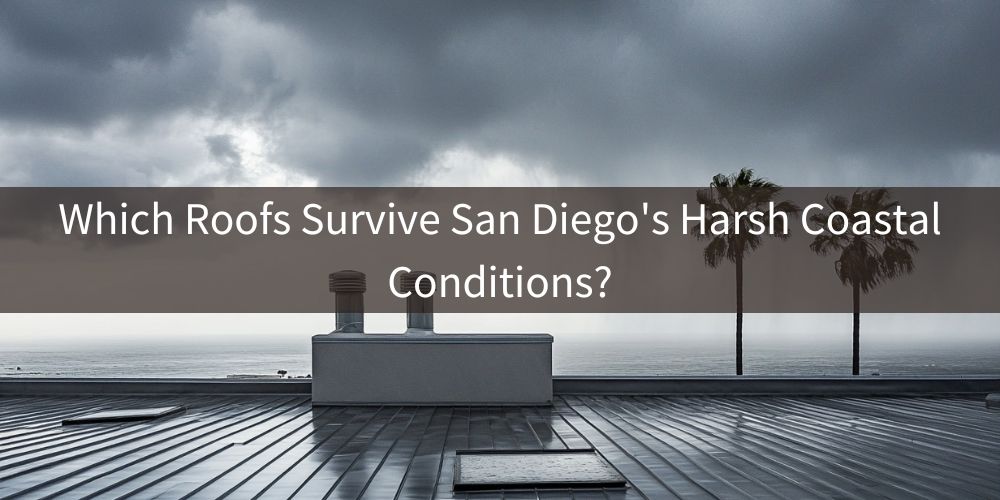
In San Diego, CA, metal roofs are particularly well-suited to withstand the region's harsh coastal conditions due to their durability, resistance to corrosion from salt air, and ability to reflect sunlight effectively. The coastal environment in San Diego poses unique challenges for roofing materials, including exposure to high levels of moisture and salt, which can accelerate roof degradation. Metal roofing, especially those made from materials like aluminum and zinc, offer excellent protection against these elements, ensuring long-term performance and minimal maintenance needs.
For commercial property owners and facility managers in San Diego, selecting a roofing material that can endure the coastal climate is essential for ensuring the safety and efficiency of their buildings. In this blog, we’ll explore the different roofing options available for coastal properties, outline their advantages and drawbacks, and provide insights on how to choose the most suitable roof type for longevity and protection in San Diego’s demanding environment.
What Are the Common Challenges Faced by Commercial Roofs in San Diego's Coastal Environment?
San Diego's coastal environment exposes commercial roofs to salt air, high humidity, and UV radiation. These conditions can accelerate wear and reduce the lifespan of roofing materials, necessitating effective maintenance and material selection. Proper attention to these environmental factors can mitigate potential damage and preserve roof integrity over time.
The following is a list of the common challenges commercial roofs encounter in San Diego's coastal environment:
- Salt Air Corrosion: Causes accelerated metal and material deterioration on roofs near the ocean.
- UV Radiation Exposure: Leads to material breakdown and fading over time, affecting roof longevity.
- High Humidity: Promotes mold, mildew, and moisture issues, impacting roof health and structure.
- Temperature Fluctuations: Stress roof materials with expansion and contraction, reducing durability.
- Wind-Driven Rain: Increases potential for leaks and water infiltration, affecting roof performance.
1. Salt Air Corrosion: Causes accelerated metal and material deterioration on roofs near the ocean.
Salt air corrosion is when the salty air from the ocean causes materials to corrode more quickly. In San Diego, buildings close to the coastline experience this issue as salt particles in the air settle on roofs. Once the salty film accumulates, it can accelerate the degradation of roofing materials, especially metal components. Effective corrosion-resistant materials and regular maintenance are essential for extending the lifespan of commercial roofs exposed to salt air. Additionally, employing protective coatings can offer a barrier against the corrosive elements prevalent in coastal environments.
2. UV Radiation Exposure: Leads to material breakdown and fading over time, affecting roof longevity.
UV radiation exposure refers to the sun's rays breaking down roofing materials and causing color fading. San Diego's sunny climate means roofs are constantly exposed to high levels of UV radiation. This exposure can degrade materials like membranes and coatings, reducing their protective qualities. To combat UV damage, choosing roofing materials with UV inhibitors and maintaining regular inspections can help ensure that roofs remain intact and effective over time.
3. High Humidity: Promotes mold, mildew, and moisture issues, impacting roof health and structure.
High humidity in coastal areas can lead to increased moisture retention on and within roofing systems. This retained moisture promotes the growth of mold and mildew, which can compromise the structural integrity and aesthetics of roofs. It also creates a hospitable environment for pests that can exacerbate roofing problems. Implementing moisture control measures, such as proper ventilation and drainage systems, can mitigate the effects of humidity and preserve roof health.
4. Temperature Fluctuations: Stress roof materials with expansion and contraction, reducing durability.
Temperature fluctuations cause roofing materials to expand and contract, which can lead to wear and tear. In San Diego's coastal climate, day-to-night temperature changes can stress roof membranes and seals, leading to potential cracking and material fatigue. Choosing flexible materials that can withstand temperature variations and implementing routine inspections can help in identifying and resolving these issues promptly.
5. Wind-Driven Rain: Increases potential for leaks and water infiltration, affecting roof performance.
Wind-driven rain refers to rain that is propelled by wind, causing water to penetrate roofing systems. Coastal winds in San Diego can drive rain under roofing membranes or through seams, leading to leaks. This not only risks interior damage but can also lead to substantial repair costs if left unaddressed. Ensuring proper sealing and installation of roofing materials, along with regular maintenance checks, can minimize the risk posed by wind-driven rain.
Have a question about an upcoming project?
How Do Different Roofing Materials Perform Under San Diego's Coastal Conditions?
Roofing materials in San Diego need to withstand salt air, consistent sunshine, and wet winters. Coastal conditions require roofs to be resistant to corrosion, UV degradation, and occasional heavy rain. Selecting materials with these properties ensures longevity and efficiency in such an environment.
Here are five important factors to consider for roofing materials used in San Diego’s coastal climate:
- Corrosion Resistance: Defends Against Salt-Laden Coastal Air in San Diego
- UV Protection: Engineered to Withstand San Diego’s Year-Round Sunlight
- Water Resistance: Reliable Protection During San Diego’s Rainy Season
- Thermal Efficiency: Optimized for Coastal Temperature Swings in San Diego
- Durability: Built to Resist San Diego’s Coastal Wear and Tear
1. Corrosion Resistance: Defends Against Salt-Laden Coastal Air in San Diego
Commercial properties near the San Diego coastline are constantly exposed to airborne salt, which accelerates corrosion in unprotected roofing systems. Corrosion resistance is critical for preserving roof integrity and avoiding premature failure, especially for buildings utilizing metal components. Materials such as aluminum or coated galvanized steel, when paired with protective finishes, offer strong resilience against oxidization and surface deterioration. Alternatively, systems using composite membranes, fiber-reinforced polymers, or synthetic slate provide non-metallic options that naturally resist corrosion. For long-term performance in San Diego’s coastal environment, selecting roofing systems designed to endure salt-heavy air is essential.
2. UV Protection: Engineered to Withstand San Diego’s Year-Round Sunlight
San Diego’s coastal location brings persistent ultraviolet exposure throughout the year, accelerating the breakdown of unprotected roofing materials. For commercial buildings, UV protection is essential to reduce surface degradation, membrane cracking, and energy absorption. Roofing systems designed for solar resistance such as; white TPO, PVC membranes, or silicone-coated flat roofs offer reflective surfaces which deflect UV radiation and lower rooftop temperatures. In high-exposure zones like San Diego, these UV-resistant materials not only extend the operational life of the roof but also contribute to lower cooling costs and consistent performance over time.
3. Water Resistance: Reliable Protection During San Diego’s Rainy Season
Although San Diego enjoys a predominantly dry climate, the region experiences concentrated rainfall during the winter months. Commercial roofing systems must be built to manage sudden downpours without allowing water infiltration, which can lead to internal damage, mold growth, or structural issues. Effective water resistance is essential for flat or low-slope commercial roofs, which are more prone to ponding. Materials such as TPO, PVC membranes, and modified bitumen are commonly selected for their ability to repel moisture, maintain watertight seals, and endure seasonal shifts in humidity. These systems, when properly installed and maintained, protect the integrity of commercial properties during San Diego’s wetter periods.
4. Thermal Efficiency: Optimized for Coastal Temperature Swings in San Diego
Commercial roofs in San Diego must regulate building temperatures across fluctuating coastal conditions—warm, sun-heavy days followed by cooler nights. Thermal efficiency plays a central role in maintaining interior comfort and lowering energy demands. Roofing systems that integrate high-performance insulation, reflective membranes, or cool roof coatings help limit heat absorption during peak sun hours and retain interior temperatures after sunset. Options like TPO, PVC, or polyiso-insulated assemblies are commonly installed in San Diego for their ability to reduce HVAC load, support LEED certification efforts, and stabilize energy consumption throughout the year.
5. Durability: Built to Resist San Diego’s Coastal Wear and Tear
San Diego’s coastal environment presents a unique mix of environmental challenges: salt-laden air, UV saturation, fluctuating humidity, and occasional high winds. A commercial roofing system’s durability must account for all these stressors to avoid frequent failures or replacements. Long-lasting systems often feature multi-layered waterproof membranes, corrosion-resistant metals, or impact-rated synthetic materials designed for coastal resilience. By selecting roofing assemblies engineered for longevity such as; reinforced TPO, PVDF-coated metal, or modified bitumen with granular surfacing, property owners reduce ongoing maintenance costs while extending the roof’s operational lifespan. This makes selecting a durable roofing material a wise investment for commercial buildings which must tolerate San Diego’s demanding conditions.
Which Commercial Roof Types Offer the Best Durability and Longevity in San Diego?
For San Diego's climate, TPO, PVC, and modified bitumen roofs offer excellent durability and longevity. These materials are well-suited to withstand the mild and mostly sunny weather, with specific features that combat UV exposure and occasional moisture. San Diego's climate necessitates specific features in roofing materials to ensure long-lasting performance and durability. The following list identifies key attributes to consider when selecting a commercial roof in this region:
- UV Resistance: Essential as San Diego experiences year-round strong sunlight exposure.
- Waterproofing: Important for the occasional rainy months.
- Thermal Insulation: Vital for maintaining energy efficiency under warm temperatures.
- Seam Integrity: Reduces risks of leaks from seasonal rains.
- Reflectivity: Helps combat heat buildup from extensive sun exposure.
1. UV Resistance: Essential as San Diego experiences year-round strong sunlight exposure.
UV resistance refers to a material's ability to resist degradation from ultraviolet radiation. In San Diego, where the sun shines brightly for most of the year, roofing materials must resist UV radiation to prevent early aging and structural failure. Materials like TPO and PVC have innate UV resistance, making them ideal choices. Such roofs can maintain their integrity and appearance over time, ensuring long-term durability despite constant sun exposure.
2. Waterproofing: Important for the occasional rainy months.
Waterproofing is the ability of a roof to repel water and prevent leaks. Even though San Diego is known for its dry climate, it receives winter rain that requires roofs to prevent water intrusion. Applying waterproofing treatments or choosing materials with excellent waterproofing properties, like modified bitumen, ensures roofs remain leak-free, maintaining their durability during rainy seasons.
3. Thermal Insulation: Vital for maintaining energy efficiency under warm temperatures.
Thermal insulation refers to a roof's capability to reduce heat transfer and maintain indoor temperatures. In San Diego's warm climate, good thermal insulation helps minimize air conditioning needs. Choosing roofs with high insulation properties can significantly reduce energy consumption, cutting costs while providing comfort. Insulating materials can also protect roof structures from thermal stress, enhancing longevity.
4. Seam Integrity: Reduces risks of leaks from seasonal rains.
Seam integrity is the strength and resilience of the joining edges of roofing material. Strong seams prevent water penetration during rain, a minor yet significant concern in San Diego. Roofing systems with high-quality heat-welded seams, like TPO and PVC, provide excellent seam integrity, reducing the risk of water infiltration and ensuring durability.
5. Reflectivity: Helps combat heat buildup from extensive sun exposure.
Reflectivity is the ability of a roof to reflect solar energy and reduce heat absorption. High reflectivity is crucial for maintaining cooler roof surfaces under San Diego's sunlight. Materials like cool roofing TPO can significantly lower rooftop temperatures, conserving energy and reducing HVAC system stress. This contributes to longer roof lifespan and enhanced environmental sustainability.
Understanding which roof types can withstand San Diego's coastal conditions is crucial for maintaining the longevity and performance of your commercial roofing system. The region's unique climate demands weather-resistant commercial roofs that can endure salty air, high humidity, and occasional storms. Selecting the right roof materials for coastal climates can significantly enhance your roof's durability and efficiency, minimizing maintenance costs over time. Materials like metal and modified bitumen have proven effective against coastal challenges, providing excellent protection and resilience. At Commercial Roofing San Diego, we are committed to helping you choose and maintain the best roofing solutions tailored to your building's specific needs, ensuring optimal performance and peace of mind.
If you're interested in exploring commercial roof replacement options or need assistance with storm damage commercial roof repair, please contact us using the contact form. Our team of experienced professionals is ready to provide you with expert guidance and personalized service to protect and enhance your commercial property's roofing system.